Firm

New hires were made across corporate, M&A, regulatory, finance and antitrust practices in the UK, US, Italy, Belgium, Germany and Asia-Pacific

Future Abu Dhabi head Gonçalo Capela Godinho explains why Pérez-Llorca is exporting its Iberian expertise to Abu Dhabi

Danielle Roman, managing partner of the firm’s Hong Kong office, shares her priorities for leading an offshore law firm in today’s financial markets

Corporate lawyer David Brennan joins the firm after 14 years at Gowling WLG, where he led the global technology group

Winston Taylor is expected to launch in May 2026 with more than 1,400 lawyers across the US, UK, Europe, Latin America and the Middle East

New hires were made across the PE, M&A, banking and finance practices in London, Riyadh and key US hubs

Manoj Purush, managing partner of Reed Smith Singapore office, discusses his vision, integrating the office into the firm’s global strategy, and opportunities in the Southeast Asian M&A landscape

From term sheets to closings, M&A partner Aaron DeLong discusses the challenges and craft of dealmaking
Sponsored
Sponsored
-
 Sponsored by Elias Neocleous & CoOn January 22 2020 the instrument of ratification of the Multilateral Convention to Implement Tax Treaty Related Matters (MLI), and the Cyprus position on the minimum standards of the MLI and explanatory statement, were published in the Official Gazette of the Republic.
 -
Sponsored by Futej & PartnersAn amendment to the Commercial Code, introducing several important changes concerning the liquidation of companies, will come into force on October 1 2020. The amendment seeks to improve transparency in the business environment by taking aim at tax fraud as well as the deceptive practices associated with company liquidations.
-
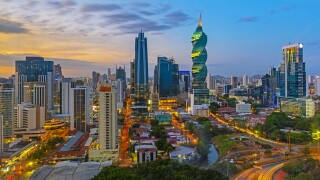
Sponsored by Alfaro Ferrer & RamírezPanama and the UK have shared diplomatic ties since 1908. The US brought the highest amount of foreign direct investment (FDI) into Panama in 2018, with the UK coming in eighth position in the FDI stakes. The 2015 FDI figures saw the UK in fourth spot after the US, Colombia and Switzerland (with a total of 6% of FDI into Panama).