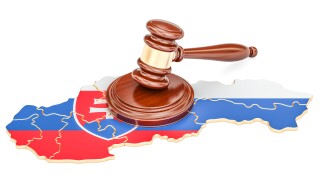
The transfer of agricultural land in Slovakia was long subject to special restrictions. The Act on Acquisition of Ownership of Agricultural Land of 2014 provided for a special procedure for the transfer of title to agricultural land.
Increased pay supplements have been introduced for night work, weekends, and holidays. The increase was split into two phases, with the first increase implemented as of May 1 2018 and the second increase slated to come into force on May 1 2019. The existing 30% supplement for night work for non-hazardous occupations will increase to 40%, and the existing 35% pay supplement for hazardous occupations will go up to 50%. The supplement for work on Saturdays will go up from 25% to 50%, and up from 50% to 100% for work on Sundays. Calculation of all the supplements is based on the existing minimum hourly wage, which on January 1 2019 was raised from €2.759 ($3.10) to €2.989. The supplement for work on holidays will increase from the existing rate of 50% of the employee's average hourly wage to 100% of the employee's average hourly wage.
Amended money-laundering legislation that came into force in the Slovak Republic on November 1 2018 requires companies to register their beneficial owners in the commercial register. Previously, only companies which conducted business with the state or received public funds were required to report their beneficial owners; those beneficial owners were registered in a public register of public sector partners, a register that is separate from the commercial register. The new legislation requires all companies in Slovakia, with the exception of publicly listed companies, to register their beneficial owners in the commercial register.
In just a matter of minutes, anyone can use the internet to download or stream copyrighted content for free. Unfortunately, most of that content is posted and distributed without the consent of the author – the exclusive holder of the rights to the work. In other words, it is illegal. The practice of accessing copyright-protected work in just a few minutes, without paying for it, is very widespread.