IFLR is part of Legal Benchmarking Limited, 1-2 Paris Garden, London, SE1 8ND

Copyright © Legal Benchmarking Limited and its affiliated companies 2026

Accessibility | Terms of Use | Privacy Policy | Modern Slavery Statement

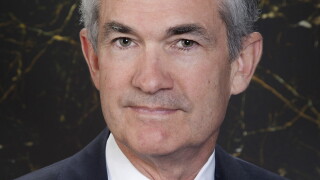
edward-price-300px.jpg

Edward Price

Non-Resident Senior Fellow NYU Center for Global Affairs

Edward Price, a former British economic official, teaches international political economy, financial systems and international relations at NYU’s Center for Global Affairs. He is also an economic advisor for BritishAmerican Business (BAB). Educated at the London School of Economics (LSE), Edward holds an MSc in Finance and Economic Policy and an MA in German History. He has worked in both the British and European parliaments, was Americas editor at IFLR and has worked in the City of London. He speaks German, gets by in Italian and is a member of the Economic Club of New York (ECNY).

Published by this author list

Published by this author:

  • Despite a solid legal framework, the restructuring tool has barely been used in the country
  • The M&A mega deal, valued at $10 billion or more, helped make 2015 a record year. But data from Bloomberg Law – for US targets and US and overseas acquirers – suggest mega deals come with an increased risk of not closing. Over 28% of those deals failed from January 1 2012 to June 30 2015.
  • The risk of public defaults is on the rise, boosted by persistently low interest rates and a distinct lack of fiscal policy. However, the preventative measures and restructuring tools that have been used historically need to improve to avoid disaster
  • Blockchain linked to troubled times ahead A World Economic Forum (WEF) report has revealed that blockchain could transform financial infrastructure, but lawyers believe regulatory differences may hamper its progress.
  • A Global Financial Markets Association (GFMA) report has highlighted risks stemming from post-crisis Basel reforms, suggesting a cost-benefit analysis of existing and proposed bank regulation.
  • The Clearing House Association is questioning the automatic internationalisation of US bank rulemaking